Handbag Care Guide: Essential Care Tips for Durability
Handbags are more than just accessories; they are investments that require careful attention. Appropriate maintenance and care can significantly prolong their longevity. From appropriate storage conditions to regular cleaning, every element serves a crucial function in maintaining their condition. Knowing how to guard against deterioration and damage is essential. As you consider these factors, the importance of addressing damage promptly becomes clearer. What measures can someone implement to ensure their handbags stay in perfect condition?
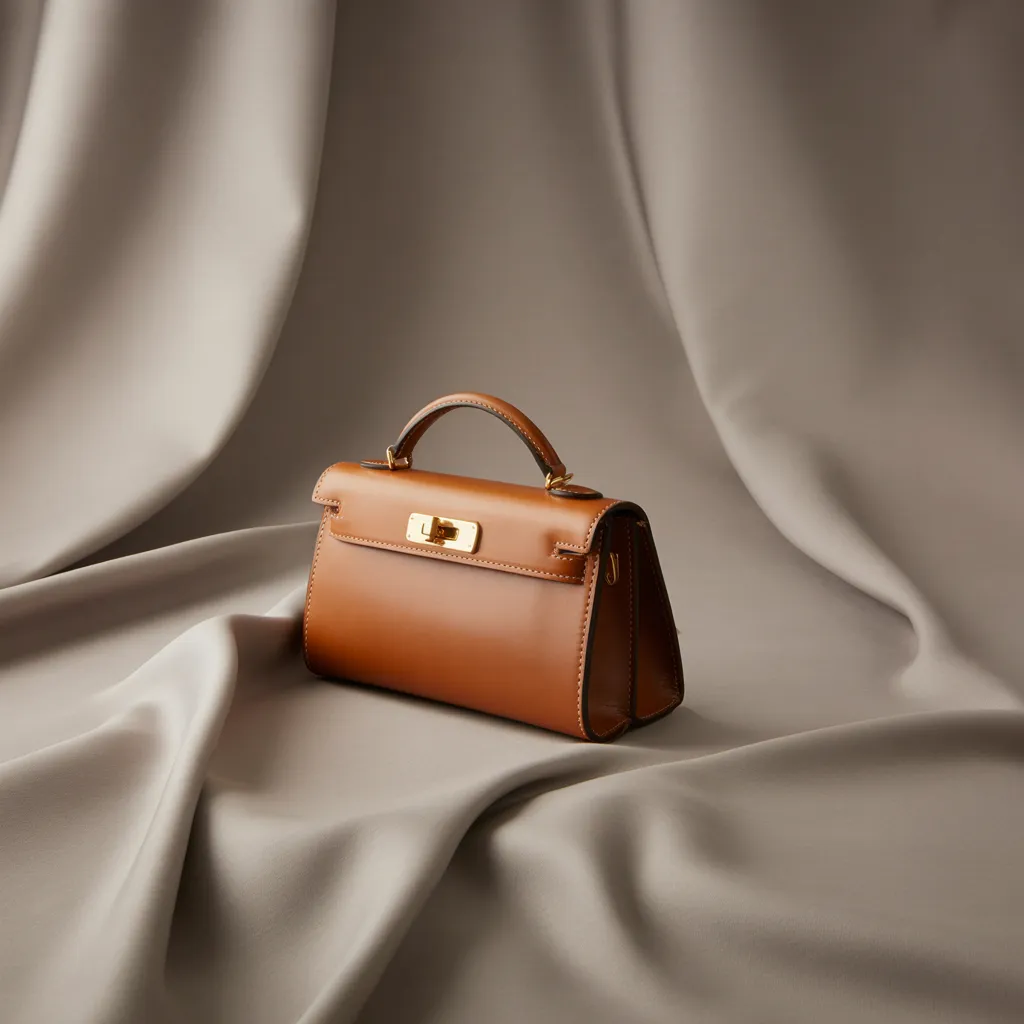
Picking the Appropriate Storage Conditions
Selecting the right storage environment for handbags is essential to maintaining their condition and longevity. Handbags should be stored in a cool and dry area away from direct sunlight, as exposure can cause fading and damage to materials. Humidity levels should be regulated, as too much moisture can lead to mold and mildew, especially in leather bags.
Proper storage includes using dust bags or breathable fabric covers to protect handbags from dust and scratches. It is advisable to avoid overcrowding them, as this can alter their shape and structure. Additionally, placing handbags upright with stuffed interiors can help retain their form. For bags with delicate embellishments, extra care should be taken to make certain they are not pressed against other items. By thoughtfully selecting the storage environment, one can greatly extend the longevity of their handbags, preserving both their aesthetic and functional qualities.
Regular Maintenance and Care
Regular maintenance and cleaning are necessary for protecting the condition and lifespan of handbags. Dirt and dust can build up over time, degrading the texture and harming its integrity. To preserve a handbag's immaculate state, it is advisable to conduct routine cleaning with a delicate, dry material. For deeper cleaning, different materials may necessitate specialized treatments; leather handbags, for illustration, improve with a dampened cloth plus a quality conditioning treatment to keep the material pliable.
Furthermore, inspecting the handbag for spots or spills should be a regular practice. Addressing these promptly can prevent permanent damage. For cloth handbags, a delicate fabric cleaner may be utilized, while suede should be treated with a brush intended for its delicate surface. Finally, ensuring that clasps and zippers operate smoothly is essential; regular checks can help sidestep future repairs. By implementing these practices into a regular maintenance routine, the handbag will remain attractive and practical for years to come.
Defending Against Wear and Tear
Handbags are prone to deterioration, especially if used frequently. To preserve these purchases, owners should implement preventive measures. To begin with, opting for suitable materials is vital; opting for durable fabrics or leather can enhance longevity. Moreover, using a protective dust bag during storage provides protection against dust and scratches.
Consistently inspecting and cleaning the handbag also serves an important purpose. This includes using a soft cloth to wipe the exterior and remove dirt and debris. Owners should additionally avoid overfilling their bags, as overloading can put strain on seams and handles.
In addition, being mindful of environmental conditions, such as extreme temperatures and humidity, can stop deterioration. Finally, using bag organizers aids in sustain shape and structure, minimizing the risk of creasing or deformity. By taking these precautionary steps, handbag owners can significantly extend the lifespan of their prized accessories.
Managing Damage Promptly
Taking care of damage promptly is essential for upholding the integrity of a handbag. When a handbag experiences scratches, tears, or stains, swift attention can avert further deterioration. Overlooking minor-level issues may cause more serious problems, such as structural weakening or irreversible discoloration.
For example, a small scratch can often be treated with specialized leather creams or conditioners, while a tear may necessitate a professional repair. Stains should be handled with appropriate cleaning solutions specific to the handbag's material, as using the wrong product can aggravate the problem.
Routine examinations of the handbag can help recognize damage early, allowing for timely intervention. In addition, keeping the handbag stored correctly can minimize the risk of damage from environmental factors. By emphasizing prompt repairs and maintenance, handbag owners can lengthen the lifespan of their accessories and maintain their aesthetic appeal, ensuring they remain a cherished part of their collection.
Structuring and Managing Material
While many may overlook the critical nature of structuring the contents of a handbag, doing so can considerably increase both functionality and ease of access. A neatly structured handbag enables the owner to quickly locate essential items, lessening frustration during daily tasks. Employing pouches or small organizers can help separate items such as cosmetics, wallets, and keys, avoiding them from becoming jumbled or misplaced.
Regularly evaluating the contents is necessary; unnecessary items should be discarded to sustain a lightweight and manageable bag. Allocating specific spots for commonly accessed items fosters a habit of returning them to their rightful place, ensuring they are always easily accessible. Moreover, using a consistent system, such as organizing by color or grouping by measurements, can further streamline the ordering process. By prioritizing organization, handbag owners can not only enhance their daily efficiency but also increase the lifespan of their accessories by reducing wear and tear related to disorganized contents.
FAQ
How Regularly Should I Switch My Handbags for Balanced Wear?
Professionals suggest switching between handbags every few weeks to ensure even wear. This practice prevents excessive strain on particular bags, protecting their shape and longevity while ensuring a varied style experience that complements various outfits.
Is It Possible to Use Leather Conditioner on All Types of Handbags?
Leather conditioning products are appropriate for genuine leather handbags, increasing their suppleness and protection. Nonetheless, it should be avoided on non-leather materials including canvas or synthetic fabrics, as it may harm their framework and visual appeal.
Can You Safely Store Handbags in Plastic Bags?
Plastic bags are generally not recommended for handbag storage, as this can collect moisture leading to mold or mildew. Alternatively, breathable dust bags made of fabric are better for ensuring the handbags remain in optimal condition.
How Do I Remove Stubborn Stains From My Handbag?
To remove stubborn stains from a handbag, gently blot the area with a soft cloth and a appropriate cleaner. Check the solution on a inconspicuous spot first to stop damaging the material. Patience is essential.
What Should I Do if My Handbag Smells Bad?
To remove foul odors from a helpful resource handbag, one should remove all contents, sanitize the interior with a mild solution, and place smell-absorbing materials like baking soda or activated charcoal inside, letting it to ventilate thoroughly.